


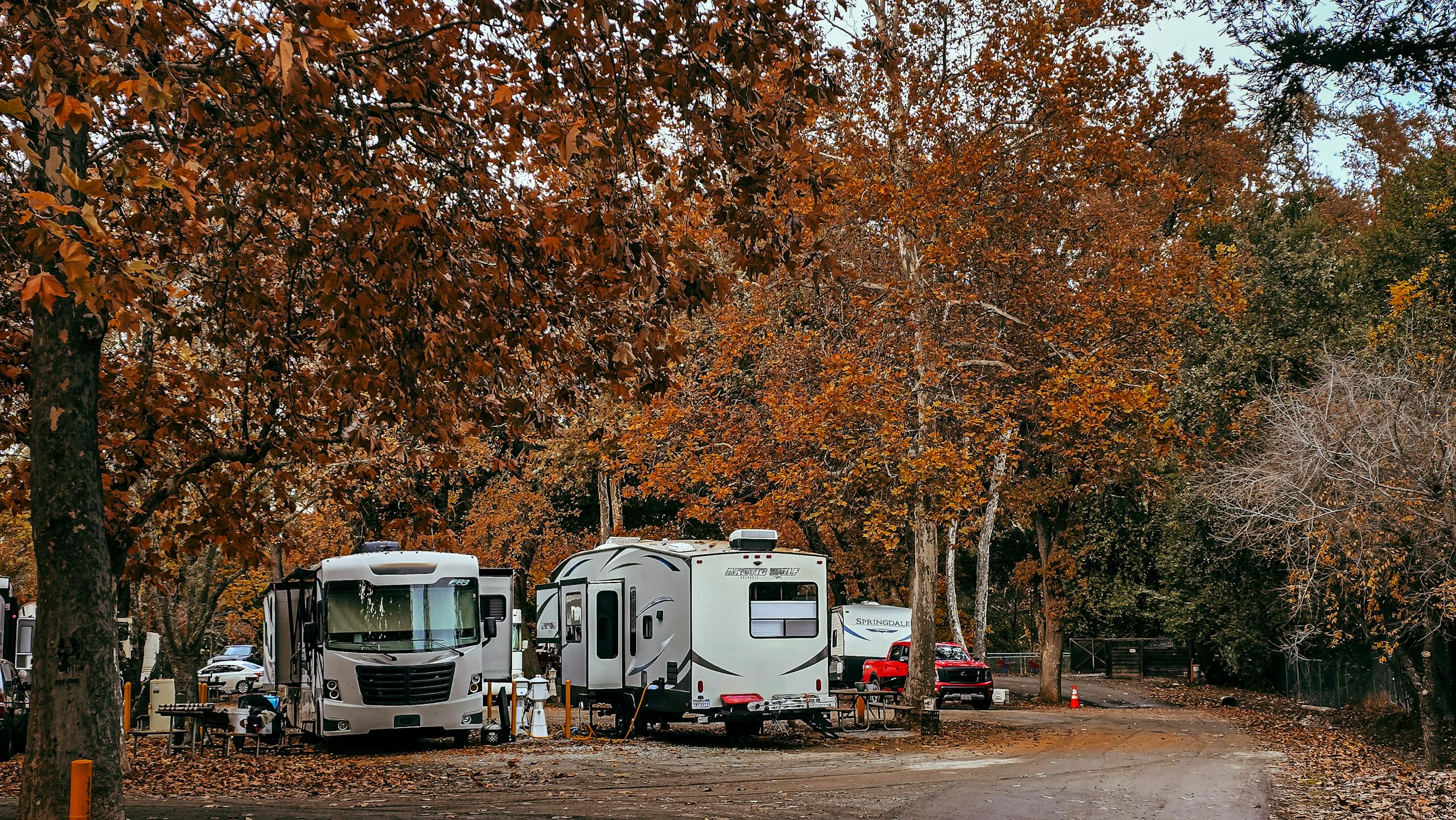
The Complete Guide to De-Winterizing Your RV
Spring is in the air, and that means it’s time to wake your RV from its winter hibernation. Whether you stored your rig for a few months or an entire season, a proper de-winterization is the difference between a smooth first trip and an expensive visit to the service shop. Skipping this process — or rushing through it — can lead to thousands of dollars in damage from burst pipes, corroded batteries, and failed seals. Water damage repairs alone range from $20 for a minor fix to $2,800 or more for extensive restoration, and a single burst pipe can easily top $3,000 when you factor in the water heater and interior damage.
The good news? You can handle the entire process yourself in about half a day. This guide walks you through every step, from the first exterior walk-around to firing up the engine and heading out. It covers both motorhomes and towables, so grab your checklist and let’s get started.
Before You Start: Gather Your Supplies
Before diving in, make sure you have everything on hand. You don’t want to be halfway through flushing antifreeze only to realize you’re out of bleach.
- Potable water hose (dedicated to drinking water — not your garden hose)
- Household bleach (regular, unscented)
- Tire pressure gauge
- Multimeter or voltmeter (for battery testing)
- Spray bottle with soapy water (for propane leak testing)
- Sealant/caulk (compatible with your roof type)
- Distilled water (for lead-acid batteries — not needed for LiFePO4)
- Fresh batteries (for smoke and CO detectors)
- Baking soda (for cleaning battery terminals)
- Rubber seal conditioner (for slide-out and door seals)
One more thing: wait until freezing temperatures are reliably behind you. De-winterizing too early means you might need to winterize all over again.
Step 1: Exterior Inspection and Seals
Start with a slow walk around the outside of your RV. Winter weather — freezing, thawing, wind, and UV exposure — can take a toll on seals, caulking, and exterior surfaces.
Check the sealant and caulking at every seam: around roof vents, skylights, windows, doors, the TV antenna, and any other roof-mounted accessories. Look for cracks, gaps, or separation. If you find damage, reseal before water finds its way inside.
Don’t overlook your slide-out seals, entry door seals, and compartment gaskets. Winter weather dries out rubber, so inspect each seal for cracking or hardening and apply a rubber seal conditioner to keep them flexible. If your RV has an awning, unroll it and check the fabric for mildew, tears, and the hardware for smooth operation.
Give the exterior a thorough wash, starting from the top and working down. A coat of wax protects the finish against UV and road grime for the season ahead.
If you have a towable, inspect the hitch, coupler, safety chains, and wiring harness for rust or damage. For motorhomes, pop the hood and check the engine compartment for any signs of critter activity or fluid leaks.
Step 2: Tires and Wheels
Your RV’s tires lose 2–3 PSI of air pressure every month they sit in storage. After five months, that’s 10–15 PSI below where they should be.
Use a quality tire pressure gauge and inflate all tires — including the spare — to the manufacturer’s recommended PSI based on your load. While you’re at it, inspect the sidewalls for cracks, dry rot, and bulging. Check tread depth across the full width of each tire.
Step 3: Batteries
Batteries discharge up to 10% of their charge per month in storage. A battery that went into winter at a full charge might read significantly lower by spring — and that’s assuming it wasn’t damaged by freezing.
Start by inspecting each battery for cracks or swelling, which can indicate freeze damage. If a battery is cracked, replace it. If terminals are corroded, clean them with a paste of baking soda and hot water.
The rest of the process depends on your battery type:
Lead-acid (flooded or AGM): Check the fluid level in flooded batteries and add distilled water before charging — never after, as charging with low fluid can damage the cells. A fully charged lead-acid battery reads approximately 12.7 volts. If yours reads 12.0V or below, it needs a full charge cycle before use. AGM batteries don’t need fluid checks but follow the same voltage thresholds.
LiFePO4 (lithium iron phosphate): These hold their charge much better in storage — typically losing only 2–3% per month — so they’ll likely be close to where you left them. Check the voltage with a multimeter: a full LiFePO4 battery reads around 13.4V, and anything above 13.0V is in good shape. Most LiFePO4 batteries have a built-in BMS (battery management system) that prevents deep discharge, but verify it’s functioning by checking the battery’s indicator lights or app if your model has one. One critical note: never charge LiFePO4 batteries below 32°F (0°C) — most have low-temperature cutoff protection, but if yours doesn’t, wait for warmer weather or use a heated battery box.
Step 4: Flush the Water System
The water system is the most involved part of de-winterization, but it’s straightforward if you take it step by step.
First, switch your water heater bypass valve back to the normal operating position. This re-includes the water heater in the plumbing loop.
Next, connect a potable water hose to the city water inlet (or fill the fresh water tank and use the onboard pump). Open every faucet — hot and cold — along with showers, the toilet, and the outdoor shower if you have one. Let fresh water run through the entire system until it flows clear with no pink tint from the antifreeze.
While the water heater is drained, inspect the anode rod for corrosion. If it’s heavily pitted, now is the time to replace it. Reinstall any water filter cartridges that were removed during winterization.
Don’t forget your holding tanks. The grey and black tanks still contain antifreeze-laced water from the winterization flush. Drain both tanks at an official dump station, then rinse the black tank using your built-in tank flush system (if equipped) or a backflush wand. Check that the dump valves open and close smoothly — a stuck valve is easier to fix at home than at a campground.
Once you’ve flushed the entire system, check for leaks. Turn the water pump on and listen — if it cycles back on after the system is pressurized, you have a leak somewhere. Check under sinks, around the toilet base, and at every fitting.
For more on diagnosing plumbing issues, see our RV plumbing troubleshooting guide.
Step 5: Sanitize the Fresh Water System
Flushing removes the antifreeze, but you’ll still want to sanitize the system before drinking or cooking with the water.
The standard ratio is one-quarter cup of household bleach for every 15 gallons of fresh water tank capacity. Mix the bleach with at least a gallon of water in a separate container, then pour it into the tank through the fill opening. Top off the tank with potable water.
Turn on the water pump and open each faucet until you smell bleach coming through. That confirms the solution has reached every line. Close all faucets and let the solution sit for 4 to 12 hours — long enough to sanitize, but don’t exceed 12 hours as prolonged exposure can damage synthetic seals.
After soaking, drain the entire system. Refill the fresh water tank and flush all lines until the bleach smell is completely gone. Your water system is now clean and safe to use.
Step 6: Propane System Check
Propane powers your furnace, water heater, stove, and refrigerator — so it’s worth a few minutes to confirm everything is tight and leak-free.
Start by turning off all LP-powered appliances. Then mix up a spray bottle of soapy water and apply it generously to every propane connection: tank valve, regulator, hose fittings, and the connections at each appliance. Turn the propane on and watch for bubbles. If you see bubbling or spurting at any connection, you have a leak — tighten the fitting and retest.
Check the recertification dates stamped on your propane tanks. Requirements vary by state, but most tanks need recertification every 5–12 years.
Once you’ve confirmed no leaks, light each appliance — stove burners, oven, furnace, and water heater — to verify they ignite and operate properly.
Step 7: Test Appliances and Safety Devices
Work through each appliance systematically. For the refrigerator, the most reliable test is to turn it off, let it reach room temperature, then power it on at an electrical hookup and confirm it cools down. Test it on both electric and LP modes if your model supports dual fuel.
Run the air conditioner and furnace to confirm both heating and cooling work. Clean or replace the A/C air filters — they collect dust during storage and restrict airflow when dirty.
Safety devices need attention too:
- Replace batteries in smoke alarms, carbon monoxide detectors, and LP gas detectors. Then test each one.
- Check your fire extinguisher expiration date. If you have a dry powder extinguisher, give it a few shakes and a tap to break up any powder that settled during storage.
Step 8: Pest Inspection and Interior Cleanup
Mice, spiders, and insects see your stored RV as a cozy winter home. Before settling in for your first trip, do a thorough check.
Look for droppings, chewed wires, nesting material, and shredded insulation. Check inside cabinets, under beds and cushions, behind appliances, and in the engine or generator compartment. If you find signs of rodents, clean thoroughly and check wiring for damage — chewed wires are a fire hazard.
Once you’ve cleared the critters, deep clean the interior. Vacuum floors and inside cabinets, wipe down all surfaces, and clean the windows. Swap out the bedding and linens you stored away.
Go through the pantry and medicine cabinet: dispose of expired dry food, check medicine dates, and restock your first aid kit.
Step 9: Documentation and Final Prep
The last step before hitting the road is the paperwork and final safety checks.
- Registration and insurance: Verify both are current. Check emissions sticker validity if your state requires it.
- Lights and signals: Have someone walk around while you test headlights, turn signals, brake lights, and running lights. Replace any burned-out bulbs.
- Generator: Check the oil level. If the generator wasn’t exercised during storage, run it under half-rated load for 15–20 minutes.
- Emergency supplies: Restock bottled water, flashlight batteries, and basic tools (pliers, screwdrivers, duct tape, and a set of hoses).
Ready to Roll
A half day of systematic prep work protects thousands of dollars’ worth of equipment and — more importantly — keeps you and your family safe on the road. The process gets faster each year as you build the muscle memory and know exactly where to look.
With your RV de-winterized and every system checked, there’s only one thing left to do: plan your first trip of the season. Fire up Arvee and start building your spring itinerary — your rig is ready for the road.