


Solo Women RVers: A Beginner's Guide to Hitting the Road Alone
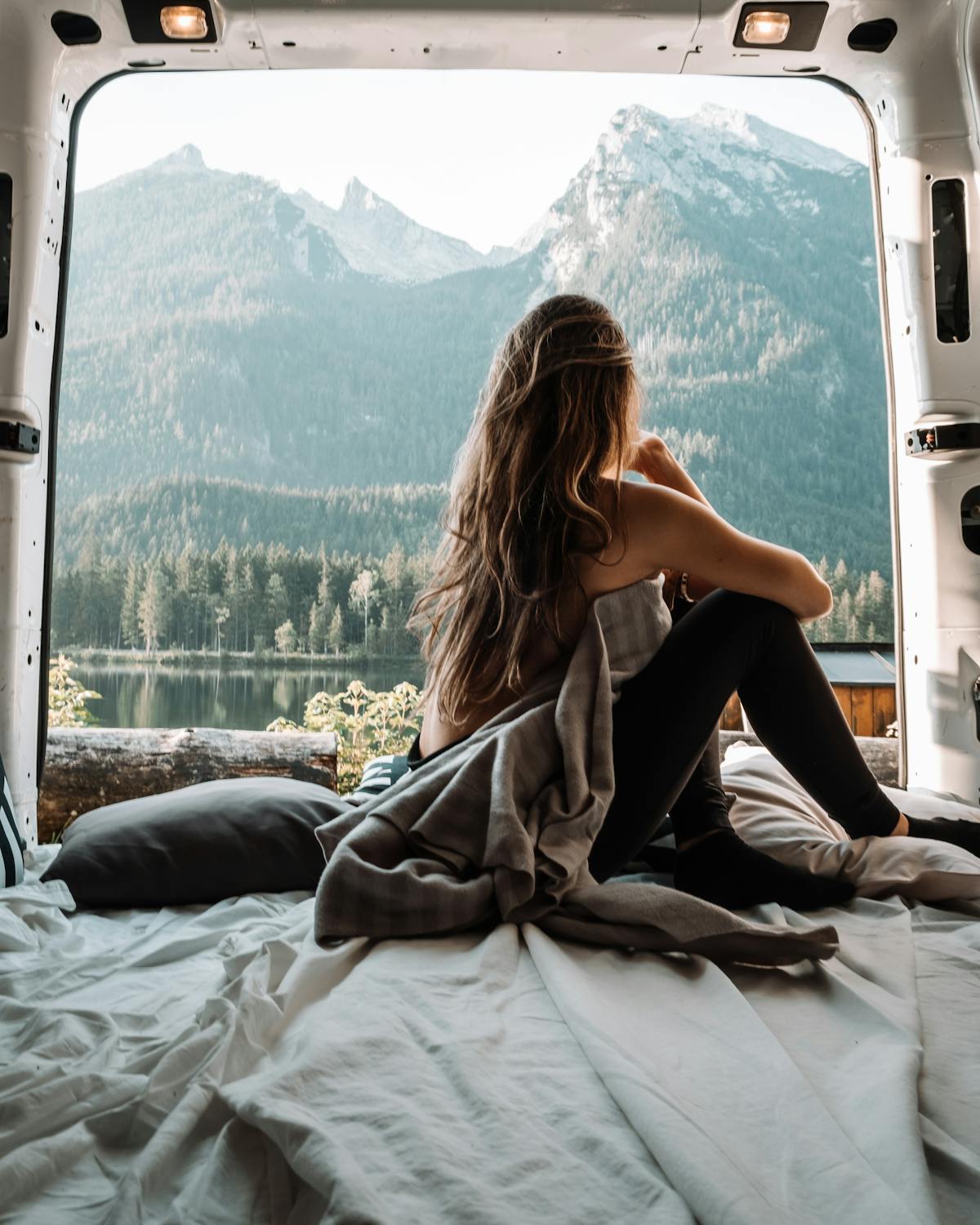
You’re parked at a state park campsite somewhere in the mountains. Coffee’s hot, the dog is sprawled across the dinette bench, and the only thing on your schedule is a hike that starts fifty yards from your front door. Nobody else decided this trip for you. Nobody else compromised on the destination. You picked this spot, drove here yourself, and you’ll leave whenever you’re ready.
If you’ve been telling yourself you’re not the “RV type,” you’re in good company. Most of us didn’t start out feeling like we belonged in this world either. But here’s the thing — most solo travelers are women. Depending on the study, it’s something like three out of four. That tracks with what you see in the groups and at the rallies. And the number of us hitting the road alone keeps growing. There are more resources, more rigs designed for one person, and more women willing to help you figure it out than there have ever been.
But wanting to go and actually going are separated by a gap filled with real questions: Is it safe? What kind of RV do I need? Will I be lonely? Can I actually do this by myself? Let’s walk through the stuff I wish someone had told me before my first solo trip.
You’re Not Alone (Even When You Are)
The single most surprising thing about solo RV travel is how social it is. “You are more likely to notice others and interact when you are alone,” as one experienced solo RVer puts it. Without a travel partner to default to, you talk to neighbors, join campfire conversations, and make connections you’d otherwise skip.
There’s a whole network of women who will answer your panicked “is this sound normal?” post within five minutes — usually with screenshots, kindness, and a little tough love.
RVing Women has been around since 1991 — over 2,000 members, chapter rallies, seminars, and an annual convention that draws more than 1,000 women. Members even open their driveways to fellow members through the Park ‘n Stay directory. If you want structure and a “somebody’s got your back” vibe, this is that.
Sisters on the Fly has grown to over 8,000 active members since 1999. Their rules are simple: “No men, no kids, be nice and have fun.” You don’t need to own a trailer or know anyone in the group to join — annual membership is $70. More campfires and “show up as you are” energy. Less about rigs, more about belonging.
Girl Camper is free to join and welcomes all types of camping — RV, tent, or car. They run camping get-togethers and online educational events across the country. Great if you’re brand new and want friendly, entry-level community without pressure.
The Women’s RTR (Rubber Tramp Rendezvous) in Quartzsite, Arizona each January is a women-only gathering with workshops, safety talks, and community meetups. And there are over 22 Facebook groups dedicated specifically to women RVers.
Start Small, Start Smart
Experienced solo women RVers repeat the same advice: don’t make your first trip a cross-country odyssey. Start with a destination within 100 miles of home. Camp for two or three nights. Pick a campground you can research thoroughly — somewhere with good reviews, a camp host, and cell service.
This first trip isn’t about adventure. It’s about learning your systems. How does the water pump work? Where’s the electrical panel? What does “leveling” actually involve? Answering these questions in a forgiving setting — close to home, good weather, short stay — lets it all become automatic before the stakes get higher. But you’re also proving something to yourself: that you can handle your own life. That’s the part that sticks.
Before you go:
- Create a pre-departure checklist (tire pressure, fluid levels, lights, hitch if towing)
- Create an arrival checklist (leveling, hookups, slide-outs)
- Download campground apps for finding sites, reading reviews, and checking availability
- Tell someone your full itinerary and set a check-in schedule
When to go: Shoulder season — spring and fall — is ideal for first trips. Campgrounds are less crowded, sites are easier to book, and you’ll have more space (literal and mental) to figure things out.
If you’ve never driven or stayed in an RV at all, rent one first. “Rent different RV types and floor plans and go camping for days or a week,” advises GoRVRentals. It’s the cheapest way to learn what you actually need before spending thousands. And if RV boot camps are available in your area — in-person training courses led by experienced instructors — they’re worth every penny for the confidence they build.
Choosing the Right Rig
Most buying guides assume you’re shopping as a couple or family. When it’s just you, the priorities shift. You don’t get a second set of eyes in the mirror or someone to hop out and guide you into the site. Your rig needs to match your comfort level, not someone else’s idea of what you should be driving.
Class B Camper Vans — The Top Pick
Class B motorhomes are the most recommended RV type for solo women, and it’s not close. They’re compact enough to park in a regular parking spot, maneuverable enough to navigate tight campground roads, and they eliminate the biggest solo-travel headache: hitching and unhitching a trailer by yourself. Many work as daily drivers, so you don’t need a second vehicle. Setup and teardown at camp is minimal — park it, and you’re home.
Small Class C Motorhomes
If you want more interior space than a van offers, a small Class C built on a truck chassis is the next step up. You get a dedicated bedroom (usually in the cab-over), a larger kitchen, and more storage — while still being manageable to drive solo. The tradeoff is that you’ll need a tow vehicle or tow dolly if you want transportation at camp.
Towables
Teardrops, pop-up campers, and lightweight travel trailers under 25 feet are viable solo options if you already have a capable tow vehicle. The advantage is that you can unhitch and use your truck or SUV for day trips. The disadvantage is that hitching and unhitching alone requires practice and some physical effort.
Features That Matter When You’re Solo
Look for rigs with backup cameras (essential for solo parking), automatic leveling systems, power awnings, and remote-controlled systems. Anything that eliminates the need for a second pair of hands is worth paying for.
Safety Is a Skill, Not a Worry
If safety is the thing keeping you home, that makes sense. It kept me home for a while too. The goal isn’t to pretend it isn’t scary — it’s to build routines that let you breathe. Safety is something you prepare for, like learning to back up or checking your tire pressure. It’s a skill, and it gets easier with practice.
Share Your Itinerary
The simplest and most effective safety measure is making sure someone always knows where you are. Share your full trip plan with a trusted contact — not just “I’m going to Colorado” but specific campgrounds, dates, and routes. Establish a check-in schedule and agree on what happens if you miss one.
One important rule from experienced solo travelers: don’t post your current location on social media. Share those gorgeous campsite photos weeks or months later. And give your emergency contact the names and descriptions of new people you meet along the way.
Pick the Right Campground
Not all campgrounds are equal when you’re traveling alone. Look for:
- Active camp hosts — many will check on solo campers if asked
- Well-lit common areas with clear sightlines to bathhouses and check-in points
- Good recent reviews — check for reported safety incidents, not just amenity ratings
- Cell service — verify coverage before booking, especially at remote sites
Army Corps of Engineers (COE) campgrounds, state parks, and county parks are consistently recommended by solo women RVers for their safety, management quality, and reasonable pricing.
Set Up Your Campsite Strategically
Small decisions at camp make a big difference:
- Back in or face the exit so you can leave quickly without maneuvering
- Keep your keys in one consistent spot — always accessible, never buried
- Draw your blinds before turning on lights at night
- The boots trick — some women swear by leaving a pair of large men’s work boots outside the door. It’s not magic, but if it helps you sleep, it’s an easy layer
Safety Tech Worth Carrying
- Garmin InReach — satellite communication that works anywhere, even without cell service. Send your location to loved ones, trigger an SOS, or text from the middle of nowhere.
- NoonLight app — hold a button when you feel unsafe; release it and enter your PIN if everything’s fine. If you don’t enter the PIN, police are dispatched automatically.
- Personal alarms and door wedges — cheap, lightweight, and effective
The First Night Is the Hardest
Let’s be honest: the first night alone, you’ll hear every creak like it’s a headline. Half of it is the rig settling. The other half is your nervous system catching up to the fact that you’re the only adult in charge — and that’s a new feeling. Most of us sleep like garbage that first night, even in a perfectly safe campground. By night three, you barely notice.
Trust Your Gut
Every experienced solo woman RVer says the same thing: if something doesn’t feel right, leave. Don’t rationalize it. Don’t worry about the campground fee. Don’t feel embarrassed. Start the engine and go. “Prioritize safety over possessions — be prepared to drive away if necessary.”
The part that’s hard to do in the moment is deciding how uneasy is uneasy enough. It helps to have thought about your own levels in advance — what makes you more alert, what makes you lock the door, what makes you leave — rather than negotiating with yourself at 11pm. Working through that deliberately turns a gut feeling into a decision you’ve already made.
Beating Loneliness on the Road
Loneliness is the second biggest concern after safety, and it deserves an honest answer: yes, there will be quiet evenings. Yes, you’ll sometimes wish someone else was there to see that sunset. But experienced solo RVers will also tell you that loneliness doesn’t have to be the default — and that the solitude you do get is often the point.
Practical strategies that work:
- Travel with a pet. Dogs are the most popular choice — they provide companionship, a reason to walk and explore, natural conversation starters with other campers, and an extra layer of security. Cats, birds, and other pets work too.
- Plan routes through people you know. Use your trip as an excuse to visit friends, family, and acquaintances along the way. Solo doesn’t mean you skip the social stops.
- Join organized groups. The organizations listed above run regular rallies, caravans, and meetups. These provide built-in social activities — night hikes, kayaking, potlucks — that you might not feel comfortable doing alone.
- Use campground social spaces. Laundry rooms, dog parks, and picnic areas are natural conversation zones. Most campers are friendly and curious about solo travelers.
- Get a fitness membership. Planet Fitness ($10/month) has locations across the country and provides clean showers, restrooms, exercise equipment, and casual social contact — a practical resource whether you’re boondocking or just want a gym day.
Take the First Step
The barrier to solo RV travel has never been lower. The community is massive and welcoming. The rigs are better designed for solo use than ever. The safety tools available today — satellite communicators, location-sharing apps, check-in systems — didn’t exist a decade ago. And the cultural shift is real: solo travel isn’t an outlier lifestyle anymore. It’s how millions of women are choosing to see the world.
You don’t need to have it all figured out before you start. Rent an RV for a weekend. Join one of the communities above. Plan a route to somewhere within a couple hours of home. Use the Arvee Trip Planner to map it out and share it with someone who cares about you. Run a free weight check on whatever rig you’re considering.
The first trip is the hardest — not because of the driving or the systems or the campground. It’s the first time you choose yourself and follow through. After that, it gets easier. Not because nothing goes wrong, but because you trust yourself to handle it.